The Manosphere Index: A New Framework for Understanding Modern Men
GET THE MANOSPHERE INDEX REPORT NOW
The dominant narrative is simple: America’s men—especially young men—are in crisis, drifting rightward, and being radicalized online.
But this one-note framing obscures more than it reveals. It flattens a complex reality into a single storyline—leaving campaigns, brands, and institutions without the tools to engage men authentically.
The truth is: men today are navigating a convergence of pressures—economic instability, algorithmic media, and evolving identity frameworks—that cut across race, generation, and class. The Manosphere Index is a new study designed to decode that complexity.
You cannot afford to rely on coverage that treats men as a monolith or focuses narrowly on extremism. The Manosphere Index reveals how a collision of economic instability, algorithmic media, and spiritual identity is actually shaping modern masculinity across race, generation, and class. We offer the data points needed to decode the actual pressures men are navigating today.
The Manosphere Index: One of the Most Comprehensive Studies on Modern Masculinity
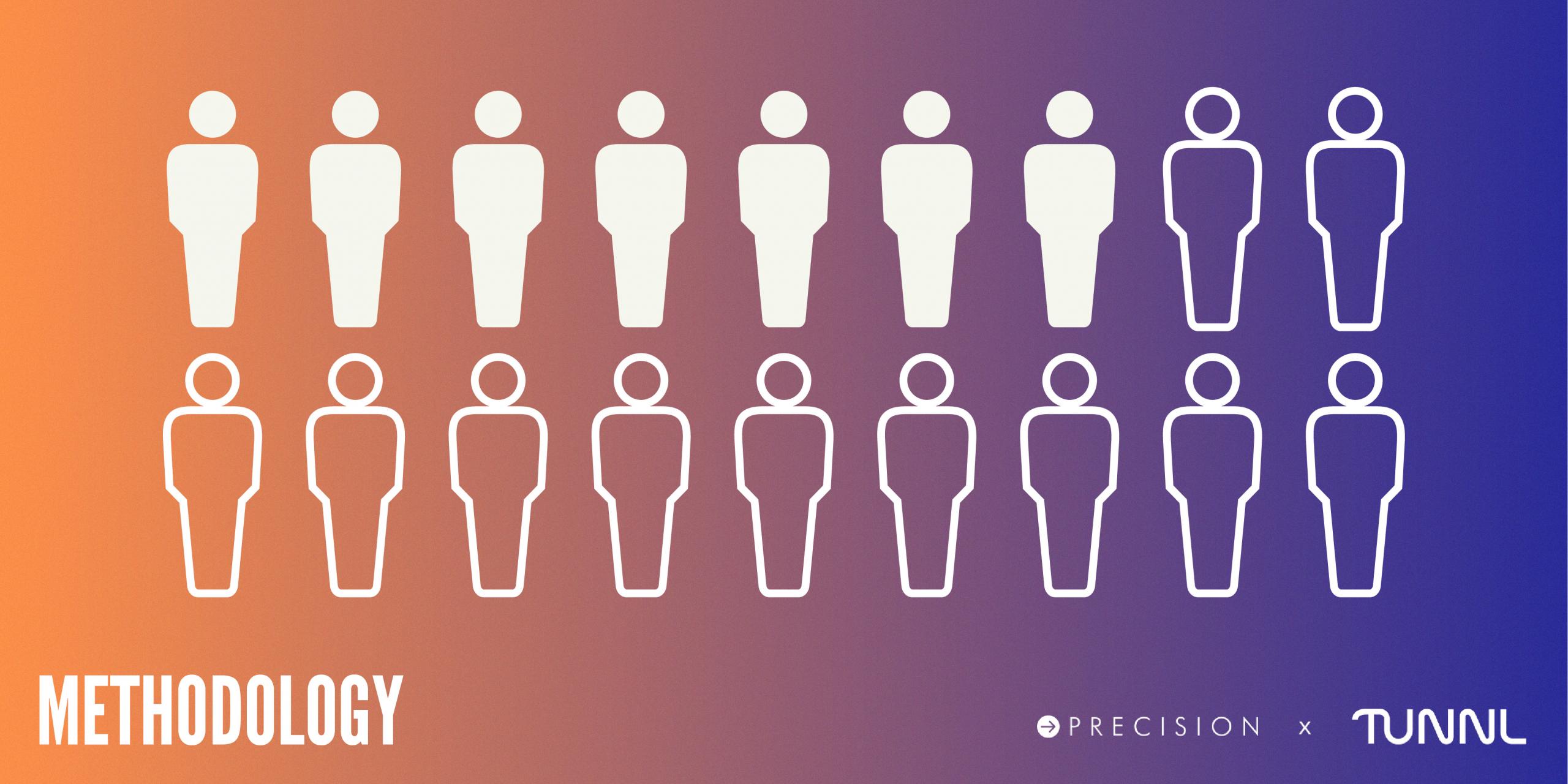
Precision and Tunnl jointly fielded one of the most comprehensive studies to date on male identity and media habits – The first was a foundational pilot survey of just over 1,000 men under 60, with deliberate oversamples of African American, Hispanic, and Asian American men, who remain notably absent from the broader manosphere conversation, but who are two of the country’s largest voting constituencies and key drivers of culture. The second—and larger—study surveyed 3,000 men and 3,000 women across all racial and age groups.
From these two bodies of work, Tunnl and Precision developed a series of generational and behavioral segments that group audiences by the stories they engage with, the platforms they trust, and the pressures they feel. These segments underscore a critical finding: men are not monolithic, and the factors shaping their identities are both deeply personal and structurally patterned.
Economic Insecurity is the Real Engine Behind Modern Masculinity
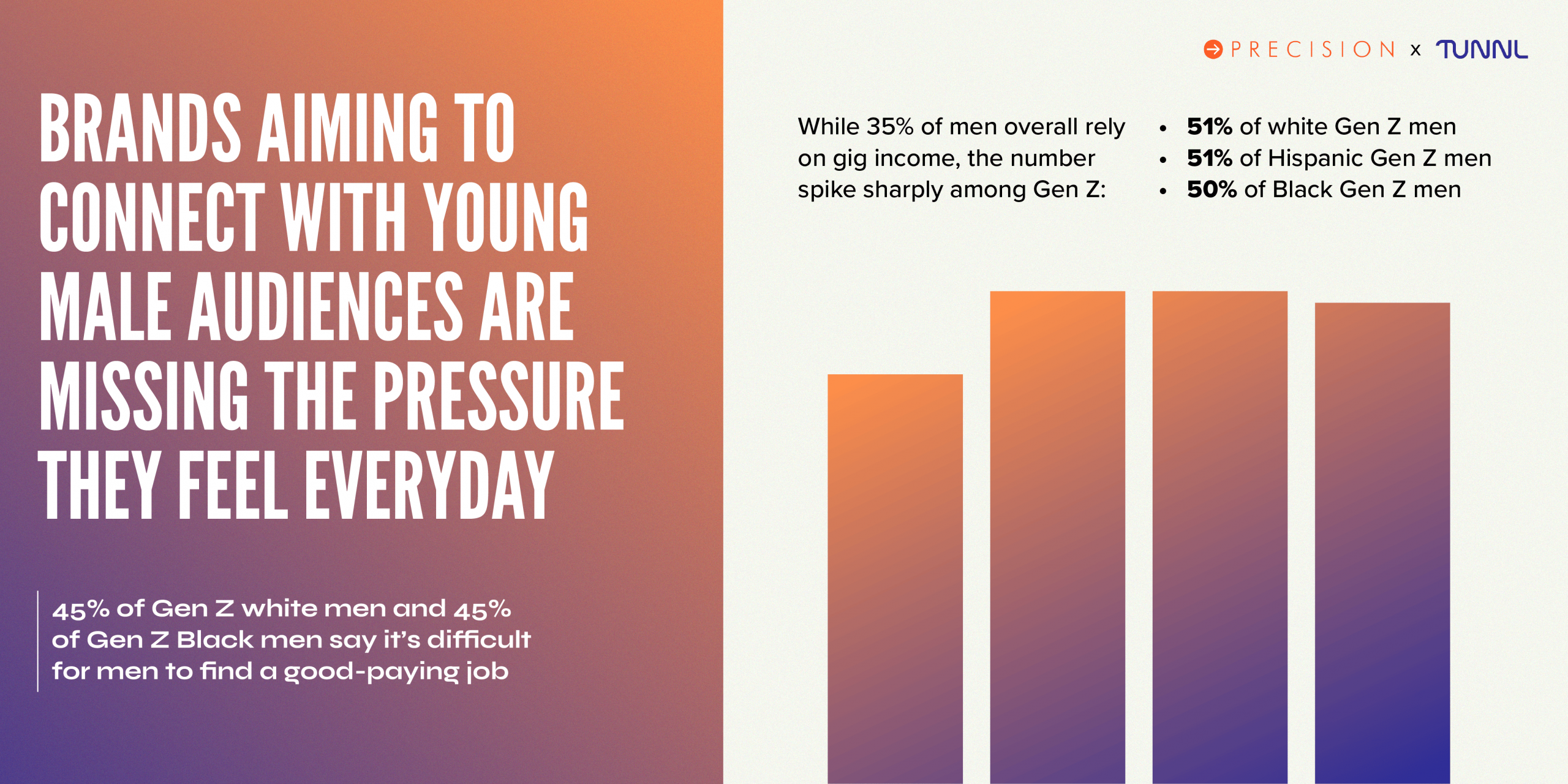
The data is clear: 41% of men across all races say it’s difficult to find a good-paying job. Gen Z men report the highest strain, with nearly half relying on gig work to stay afloat. For them, the economy isn’t a ladder—it’s a trapdoor.
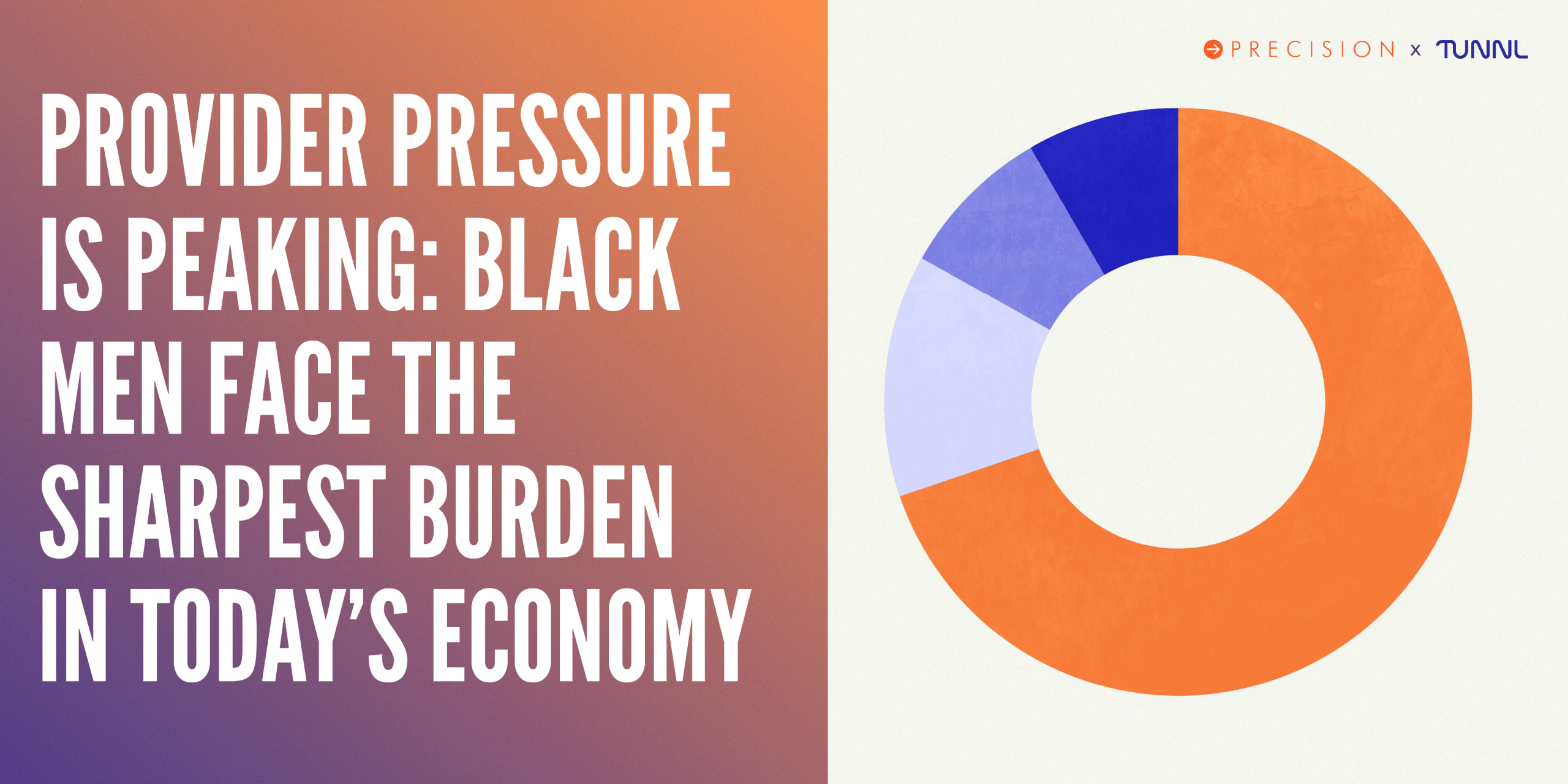
For Black men, economic pressure is even more personal. Nearly 70% of Black Gen Z and Millennial men say being head of household is central to masculinity. The idea of “provider” is not symbolic—it’s an identity benchmark.
THE TAKEAWAY: This isn’t primarily an ideological crisis. It’s economic. Financial instability is rewriting how men understand responsibility, self-worth, and their role in society.
The Media Center of Gravity Has Moved to Creators and Algorithms
Men are not searching for controversial content – it is being served to them by design. The media hierarchy has collapsed, and the center of gravity has moved decisively: Nearly 9 in 10 men (86%) use YouTube weekly, and long-form creators now act as informal mentors and culture interpreters.
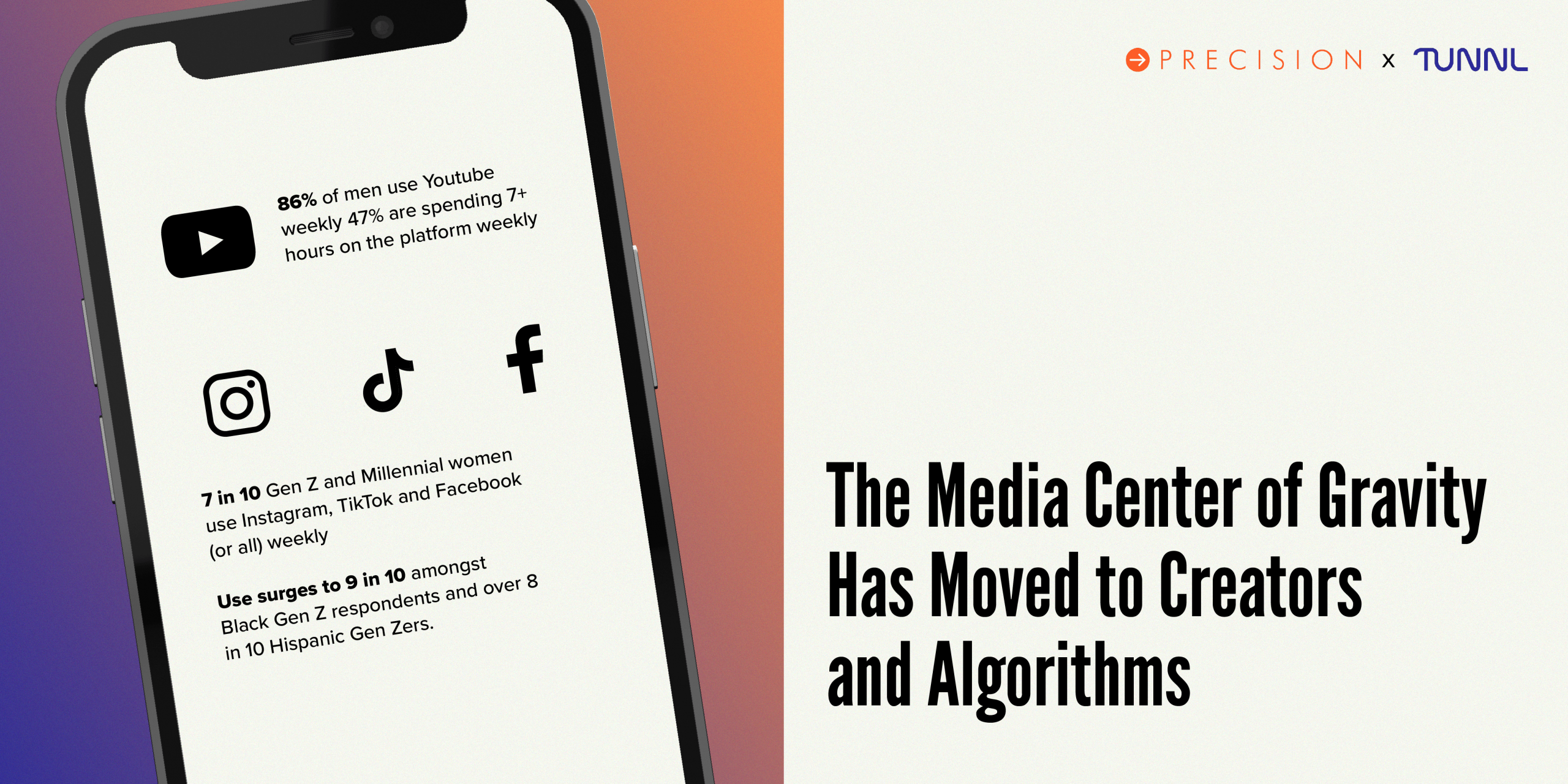
Among Millennial Hispanic men, podcast consumption is twice as high as other cohorts—and trust in creators like Joe Rogan is even higher (66%).
MOST IMPORTANTLY: Men know their feeds are getting edgier. 57% say the content recommended to them becomes “more controversial over time.”
Faith Is Quietly Reconfiguring Modern Masculinity
Faith is one of the most underestimated forces shaping modern masculinity. More than half of men (53%) say faith gives their life meaning. For Black men, that figure jumps to 71%.

Black Gen Z men stand apart: 68% say faith guides their life—making them the only group where religious identity is increasing.
But faith isn’t a counterweight to digital masculinity—it’s often a companion. Men who identify as faith-guided are more likely to describe themselves as “very masculine,” to trust manosphere-adjacent creators, and to have supported Trump.
IN SHORT: Faith isn’t pulling men away from these spaces. It may be helping make them feel legitimate.
Who Benefits from The Manosphere Index?
If your strategy is built on engaging American men—especially young men of color—and you need to move beyond outdated stereotypes, this report is your essential guide.
The data shows men are not retreating from the world. They are building meaning in alternative spaces:
- Gig work when stability disappears
- Podcasts and YouTube when trust in media breaks down
- Faith communities when identity feels unsettled
Stop reacting to headlines. Start responding to the real pressures men face. The Manosphere Index gives you exclusive access to the data, insights, and segmentations shaping how men vote, consume, and form identity in today’s landscape.
Read the research toplines and press release.